The Convergence of Industry 4.0 and RFID Technology
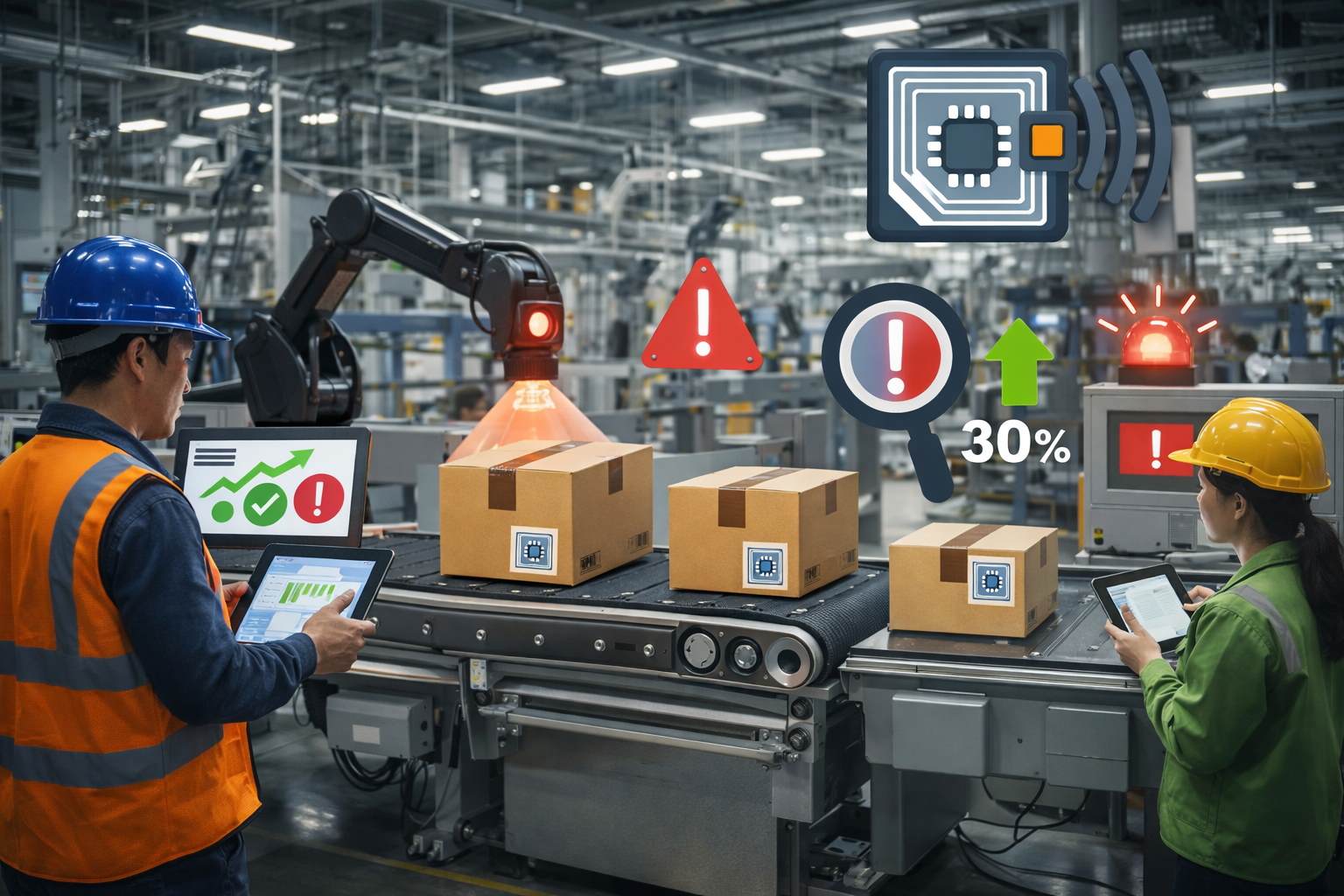
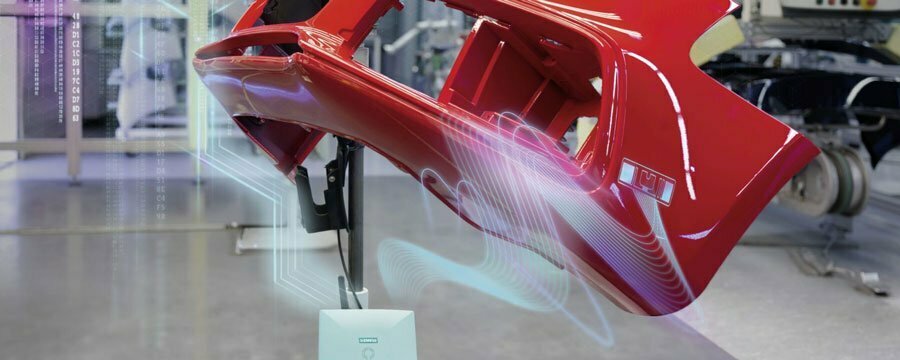
Industry 4.0 represents the fourth industrial revolution — characterized by cyber-physical systems, IoT connectivity, cloud-based data analytics, and autonomous decision-making. At its operational core lies automatic identification and data capture (AIDC), where RFID in manufacturing delivers unmatched reliability, speed, and scalability compared to legacy barcode or manual tracking methods.
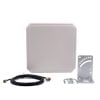
Unlike optical technologies, UHF RFID enables simultaneous, non-line-of-sight reading of dozens of tags at distances up to 12 meters — making it ideal for high-throughput assembly lines, automated guided vehicles (AGVs), and dynamic tool cribs. Modern smart factories integrate RFID readers such as the HY-RU6508 fixed reader directly into PLC-controlled infrastructure, feeding real-time location and status data into digital twin platforms.
Key RFID Applications in Smart Manufacturing
1. Real-Time Work-in-Process (WIP) Tracking
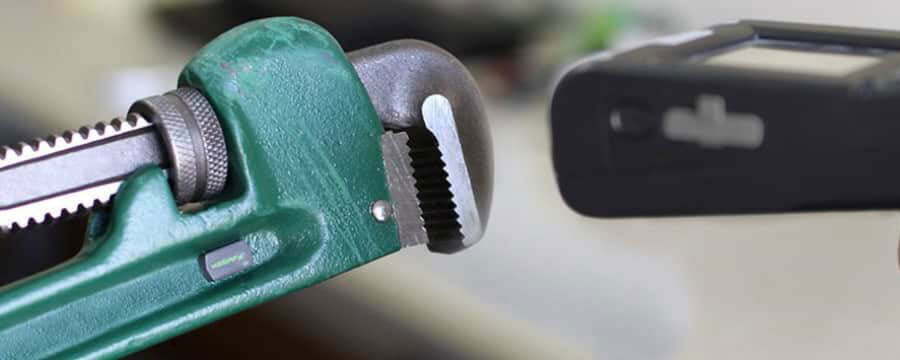
Embedding ruggedized UHF RFID tags — like anti-metal RFID tags — onto jigs, fixtures, and pallets enables continuous WIP monitoring. Each tag carries unique EPC Gen2v2 identifiers linked to part numbers, revision levels, and quality checkpoints, ensuring full compliance with ISO 9001 and AS9100 requirements.
2. Tool & Equipment Lifecycle Management
Tool crib automation relies on durable RFID wristbands and metal-mount tags to log usage, calibration history, and maintenance schedules. Integration with CMMS systems reduces downtime and supports predictive servicing based on actual utilization metrics — not calendar-based intervals.
3. End-to-End Supply Chain Visibility
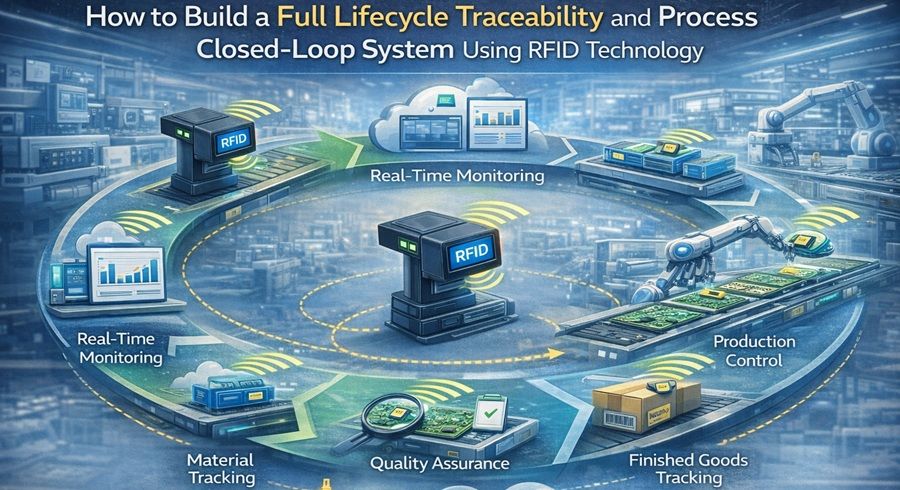
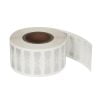
From raw material receipt through finished goods dispatch, RFID labels provide granular lot/batch traceability. This capability is critical for automotive Tier-1 suppliers and medical device manufacturers facing stringent FDA 21 CFR Part 11 and IATF 16949 mandates.
Technical Enablers for 2026 Deployments
The maturity of RAIN RFID standards, combined with improved IC chip performance (e.g., Impinj Monza R6-P), has elevated read reliability in electrically noisy environments. New-generation RFID antennas now support beamforming and polarization diversity — essential for consistent reads near motors, conveyors, and welding stations.
| Capability | 2022 Benchmark | 2026 Industry Standard |
|---|---|---|
| Tag Read Range (on-metal) | 1.8 m | 4.2 m |
| Tag Memory (EPC + TID + User) | 256 bits | 1024 bits |
| Reader Throughput (tags/sec) | 1,200 | 3,800+ |
Implementation Best Practices
- Conduct site-specific RF propagation testing before full-scale rollout — especially near stainless steel surfaces and high-voltage equipment.
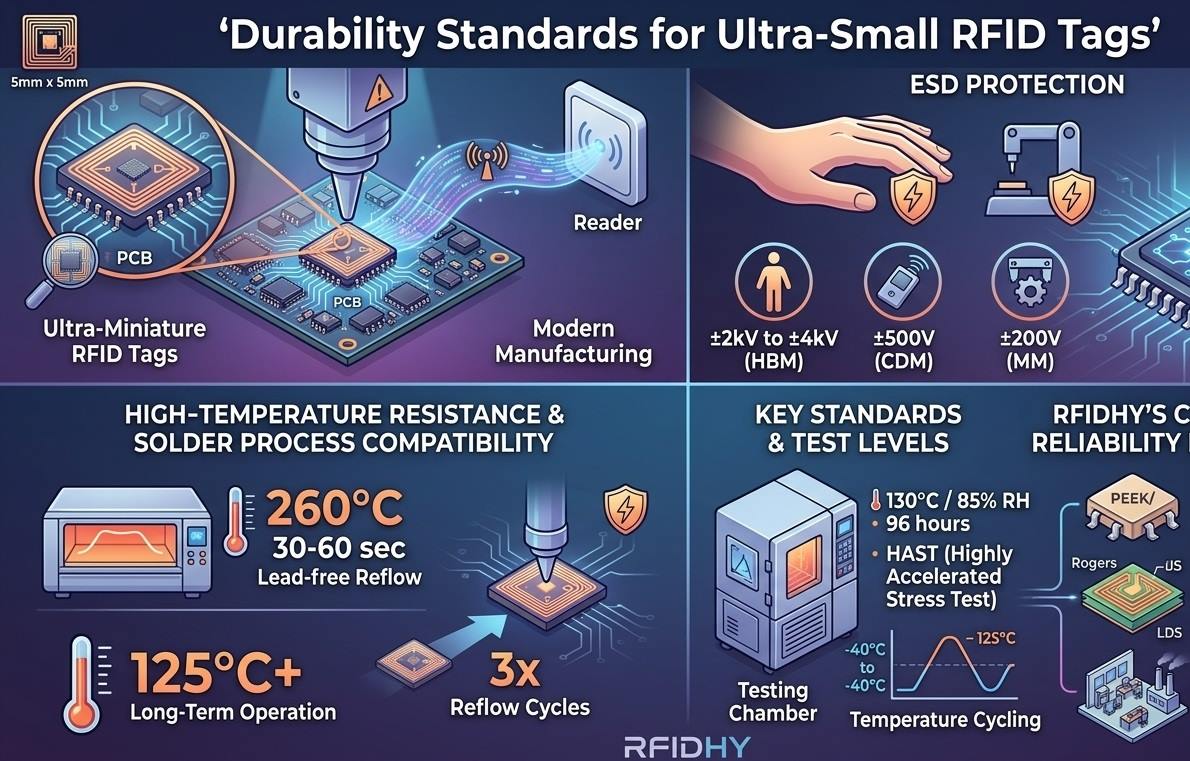
- Select tags certified to IP68 or IP69K for washdown, thermal cycling, and chemical resistance in food-grade or aerospace applications.
- Deploy edge-computing gateways to preprocess tag streams and reduce bandwidth load on central MES systems.
- Leverage RFID Tag Finder to match environmental constraints (metal, liquid, temperature) with optimal tag form factors and chip types.
Frequently Asked Questions
What makes RFID superior to barcodes in Industry 4.0 environments?
RFID eliminates line-of-sight dependency, supports bulk reading, operates reliably in dust, moisture, and vibration, and enables read/write functionality for dynamic data updates — all critical for unattended, high-speed production cells.
Can existing factory infrastructure support RFID integration?
Yes. Most modern PLCs and HMIs support Modbus TCP or OPC UA protocols for seamless integration with RFID readers like the HY-R530-U desktop reader. Legacy systems can be bridged via industrial gateways.
Do RFID tags interfere with other wireless systems in the plant?
UHF RFID operates in the globally harmonized 860–960 MHz ISM band and uses adaptive frequency hopping per ETSI EN 302 208. When deployed per FCC/CE regulatory guidelines, interference with Wi-Fi, Bluetooth, or cellular is negligible.
Ready to Enable Your Smart Factory?
RFIDHY provides end-to-end Industry 4.0 RFID solutions — from ruggedized UHF tags and fixed readers to application-specific engineering support and system integration guidance. Whether you’re launching a pilot in automotive assembly or scaling across global facilities, our team helps you deploy with precision and ROI clarity.
Leave your contact detail now to get the latest price!