Understanding the Core Distinction
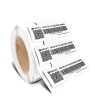
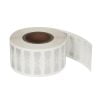
Printable RFID labels and hard RFID tags serve overlapping but distinct roles in enterprise digital infrastructure. Printable RFID labels—such as UHF RFID inlay stickers—are flexible, adhesive-backed constructions designed for high-volume, on-demand encoding and printing via standard thermal or RFID-enabled label printers. Hard tags—including ruggedized ABS, epoxy-encapsulated, or metal-mount variants—are engineered for extreme physical stress, repeated handling, and long-term exposure to harsh environments.
Total Cost of Ownership Breakdown
While printable labels often present lower unit costs (e.g., $0.12–$0.35 per tag), hard tags range from $1.20–$8.50+ depending on construction and chip grade. However, TCO must account for labor, printer maintenance, label waste, encoding errors, and replacement frequency. In high-turnover logistics applications, such as reusable transport item (RTI) tracking, hard tags like industrial anti-metal RFID tags demonstrate 3–5× longer service life than standard labels—reducing annual re-tagging labor by up to 68% in validated warehouse deployments.
Performance Comparison at a Glance
| Criteria | Printable RFID Labels | Hard RFID Tags |
|---|---|---|
| Typical Lifespan | 6–24 months (ambient conditions) | 5–15 years (IP68, chemical/impact resistant) |
| Read Range (UHF) | 3–8 meters (line-of-sight) | 6–12+ meters (optimized antenna design) |
| Deployment Speed | High (batch printing + encoding) | Moderate (manual or tool-assisted mounting) |
When to Choose Which Solution
Select printable RFID labels when deploying at scale across short-to-medium lifecycle assets—such as cartons, pallets, or retail SKUs—where visual labeling, barcode co-printing, and rapid encoding are priorities. For mission-critical, high-value, or reusable assets—including tools, containers, medical equipment, or machinery—hard RFID tags deliver superior reliability and audit-ready traceability. Enterprises increasingly adopt hybrid strategies: using RFID chips embedded in durable medical wristbands for patient-facing items, while applying printable labels to consumable packaging.
Frequently Asked Questions
What is the difference between an RFID label and an RFID tag?
An RFID label refers to a printable, flexible substrate containing an RFID inlay—typically used for disposable or semi-permanent identification. An RFID tag denotes a physically robust, encapsulated device engineered for extended reuse and environmental resilience.
Can I encode both printable labels and hard tags with the same RFID reader?
Yes—provided the reader supports the same frequency (e.g., UHF 860–960 MHz) and protocol (e.g., EPC Gen2). Devices like the HY-RU6508 fixed RFID reader support both form factors without hardware modification.
Are hard RFID tags compatible with standard RFID printers?
No. Hard tags require pre-encoding or dedicated programming stations. Printable RFID labels are designed for integration with desktop or industrial RFID label printers—such as those supporting RFID inlay sticker formats.
Ready to Optimize Your RFID Deployment Strategy?
Whether you’re evaluating printable RFID labels for high-volume supply chain visibility—or selecting industrial-grade hard RFID tags for long-life asset tracking—our engineering team provides no-cost technical consultation, sample kits, and application-specific validation support. Contact RFIDHY today to receive a tailored cost-benefit assessment aligned with your operational environment and scalability roadmap.
Leave your contact detail now to get the latest price!