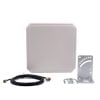
Why ATEX/IECEx Certification Matters for RFID in Hazardous Zones
Explosive atmospheres—created by flammable gases, vapors, mists, or combustible dusts—pose critical risks in sectors such as petrochemical refining, pharmaceutical manufacturing, grain handling, and offshore drilling. In these environments, standard RFID equipment may generate sparks or thermal energy sufficient to trigger ignition. ATEX (EU Directive 2014/34/EU) and IECEx (International Electrotechnical Commission System) certifications verify that RFID devices are intrinsically safe, meaning they cannot ignite surrounding hazardous mixtures under normal or fault conditions.
Technical Foundations of Certified RFID Tags
ATEX/IECEx certification applies to the entire RFID system architecture—not just the tag, but also readers, antennas, and power supplies. For passive UHF RFID tags—the most widely deployed type in industrial tracking—the certification hinges on:
- Non-incendive design: No internal power source or circuitry capable of sparking
- Material compatibility: Encapsulation in flame-retardant, static-dissipative polymers or ceramic substrates
- Surface temperature limits: Verified maximum operating surface temperature (e.g., T4 ≤ 135°C) under worst-case RF exposure
- Robust mechanical integrity: Resistance to corrosion, vibration, and impact per EN 60079-0
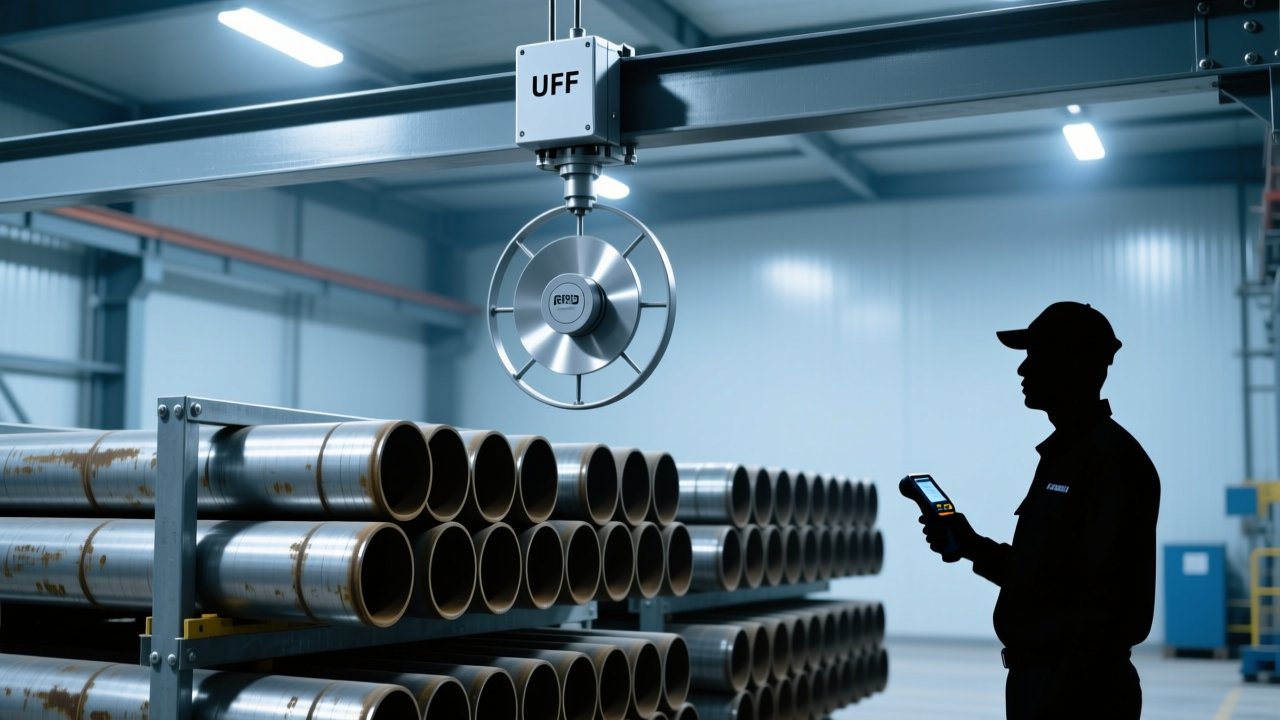
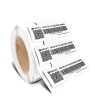
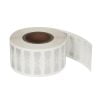
RFIDHY offers a range of ATEX-certified UHF RFID tags engineered specifically for Zone 1 and Zone 2 hazardous locations. These include ruggedized on-metal tags and high-temperature variants suitable for process piping and storage tanks.
Real-World Deployment Scenarios
Certified RFID tags enable traceability where conventional barcodes fail: in low-light, dirty, or inaccessible areas; on metallic assets; and within sealed enclosures. Common applications include:
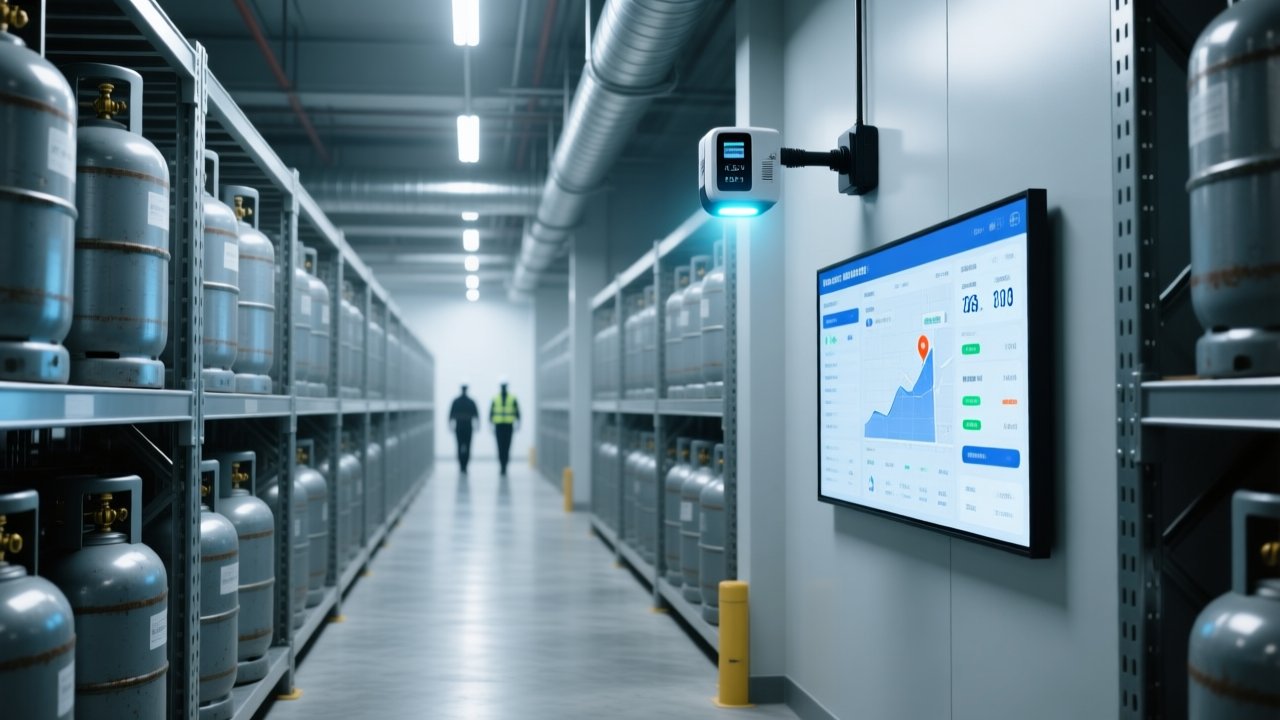
- Asset lifecycle tracking of pressure vessels, valves, and portable gas detectors across refineries
- Tool control systems in offshore platforms—ensuring only certified tools enter classified zones
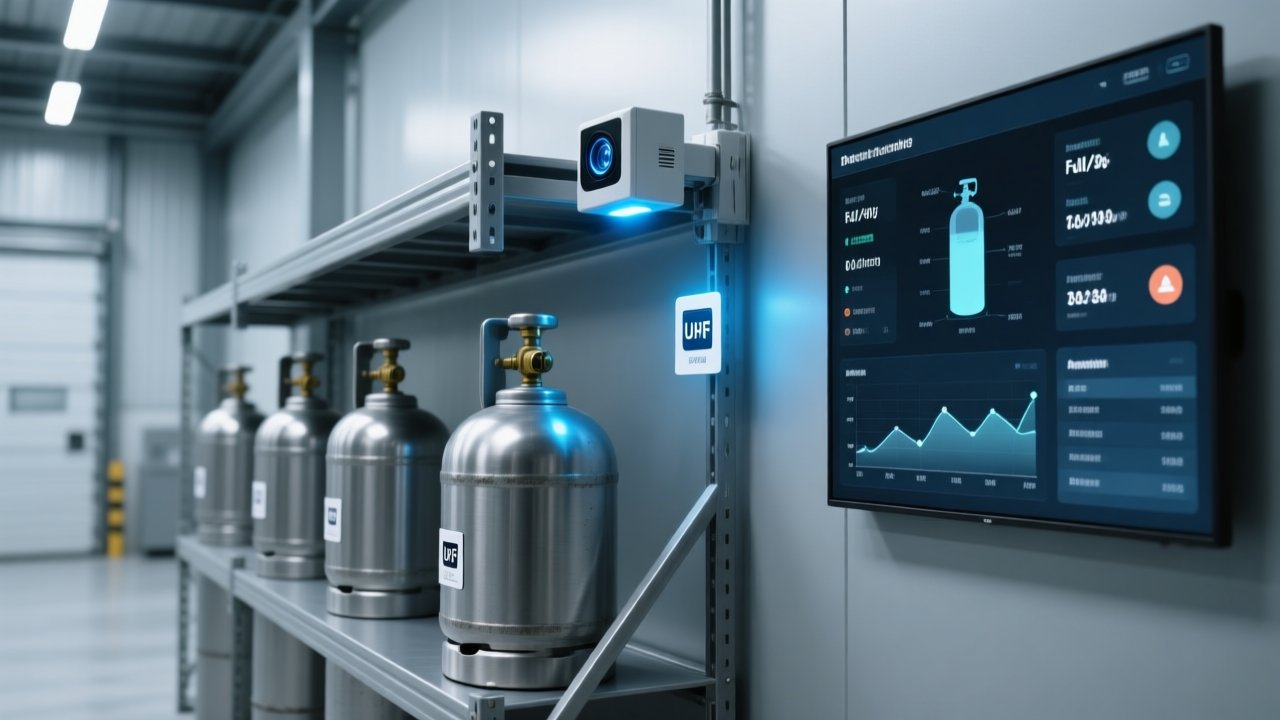
- Drum and container identification in chemical blending facilities, supporting automated inventory reconciliation
- Maintenance log integration, where scanned tags trigger digital work orders in CMMS platforms
Unlike generic RFID labels, ATEX-compliant hardware undergoes full-system validation—including reader-tag interaction testing—to ensure electromagnetic compatibility and spark-free operation. For end-to-end hazardous-area IoT solutions, explore RFIDHY’s certified IoT solutions integrating edge computing and secure data transmission.
Key Selection Criteria for Engineering Teams
When specifying certified RFID tags, engineers must evaluate more than compliance documentation. Critical parameters include:
| Parameter | Why It Matters | RFIDHY Example |
|---|---|---|
| Certification Scope | Must explicitly cover passive UHF RFID tags (not just readers or accessories) | ATEX II 3G Ex nA IIC T4 Gc / IECEx BAS 22.0001X |
| Read Range (on metal) | Critical for handheld scanning in confined spaces or at height | Up to 4.2 m with fixed-mount reader (model RFT-ATEX-M4) |
| IP Rating & Chemical Resistance | Ensures durability against hydrocarbons, solvents, and washdown cycles | IP68 + NEMA 4X; resistant to ISO 14644 Class 5 cleanroom agents |
Frequently Asked Questions
What is the difference between ATEX and IECEx certification?
ATEX is mandatory for equipment placed on the EU market and covers both equipment (Group II) and protective systems. IECEx is an international conformity assessment system accepted in over 40 countries—including Australia, Canada, and South Africa—and often serves as the technical basis for national certifications. RFIDHY’s certified tags hold dual ATEX/IECEx approval for global deployment.
Can I use standard RFID tags in Zone 2 areas?
No. Even Zone 2—where explosive atmospheres are unlikely and, if they occur, persist only for short periods—requires certified equipment. Non-certified tags lack documented spark energy limits and thermal profiles, exposing operators and infrastructure to unassessed risk. Always verify certification scope matches your exact zone classification.
Do RFIDHY’s ATEX tags support EPC Gen2v2 and ISO 18000-63?
Yes. All RFIDHY ATEX-certified UHF RFID tags comply with EPCglobal Gen2v2 (ISO/IEC 18000-63) standards, ensuring interoperability with industrial readers from Impinj, Zebra, and ThingMagic—provided those readers themselves carry compatible ATEX/IECEx certification.
Ready to Deploy Certified RFID in Your Hazardous Environment?
RFIDHY provides full technical documentation, test reports, and engineering support for ATEX/IECEx RFID deployments—including site-specific risk assessments and reader-tag co-validation. Our certified UHF RFID tags are available for immediate sampling and volume procurement.
Contact our hazardous-area RFID specialists today to request datasheets, certification files, or a tailored solution review.
Leave your contact detail now to get the latest price!