Why RFID Pallet Tracking Is Transforming Modern Logistics
RFID pallet tracking eliminates manual scanning bottlenecks, reduces human error, and delivers real-time visibility across distribution centers, cross-docks, and multi-tiered warehouses. Unlike barcode-based systems, UHF RFID enables simultaneous, contactless reading of dozens of pallets moving at speed — critical for high-throughput logistics environments.
Core Components of a Reliable RFID Pallet Tracking System
A robust implementation requires three integrated layers: tags, readers/antennas, and middleware. For pallet applications, performance hinges on consistent read reliability across diverse materials (wood, plastic, metal-reinforced), moisture exposure, and stacking configurations.
Choosing the Right RFID Tags for Pallets
Pallets present unique challenges: large surface area, variable orientation, potential metal content, and frequent handling. Passive UHF RFID tags with high-sensitivity ICs and optimized antenna designs deliver optimal performance. RFIDHY’s anti-metal RFID tags are engineered for mounting on metal pallets or near metallic cargo, while their warehouse-specific RFID tags offer ruggedized housings rated for IP68 and extended temperature ranges.
Reader Infrastructure and Antenna Placement
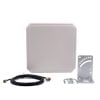
Fixed-mount readers such as the HY-RU6508 8-port fixed reader enable seamless coverage at dock doors, conveyor exits, and staging lanes. Strategic antenna placement — using circularly polarized antennas with wide beam patterns — ensures reliable reads regardless of pallet orientation. Reader firmware must support EPC Gen2v2 for enhanced security and filtering capabilities in dense RF environments.
Implementation Best Practices
Successful deployment begins with site assessment: mapping RF interference sources (motors, metal structures), defining read zones, and validating tag placement height and angle. Standardized tag mounting — typically centered on the top deck board or side panel — improves consistency. Integration with WMS or TMS via RESTful APIs or MQTT ensures data flows directly into existing operational dashboards.
Tag Placement Guidelines
| Pallet Type | Recommended Tag Location | Tag Recommendation |
|---|---|---|
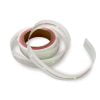
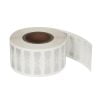
| Wooden 2-way pallet | Top center deck board, 30 cm above base | RFID inlay sticker |
| Plastic nestable pallet | Side panel, vertical centerline | Ruggedized UHF label |
| Metal-reinforced pallet | Embedded in recessed housing on non-metal surface | On-metal RFID tag |
Measuring ROI and Operational Impact
Enterprises report 30–50% reductions in pallet reconciliation time and near-zero misplacement rates post-deployment. Key metrics include: average pallet dwell time, inbound/outbound cycle accuracy, labor hours saved per shift, and reduction in lost inventory incidents. RFIDHY provides pre-deployment feasibility studies and post-installation performance benchmarking to quantify impact objectively.
Frequently Asked Questions
- Can RFID pallet tags survive outdoor storage and weather exposure? Yes — RFIDHY’s warehouse-grade tags feature UV-stabilized housings and IP68/IP69K-rated enclosures designed for prolonged outdoor use and washdown cycles.
- Do I need different tags for wooden vs. plastic pallets? While many standard UHF labels work across substrates, plastic pallets benefit from adhesive-optimized inlays, and metal-integrated pallets require purpose-built on-metal RFID tags to maintain read range.
- How do I integrate RFID pallet data with my existing WMS? RFIDHY systems support industry-standard protocols including REST APIs, MQTT, and OPC UA — enabling direct integration with leading WMS platforms without custom middleware.
Ready to Optimize Your Pallet Workflow?
RFIDHY offers end-to-end RFID pallet tracking solutions — from certified hardware selection and site-specific engineering to seamless WMS integration and staff training. Our logistics-focused portfolio includes certified warehouse RFID tags, high-throughput fixed readers, and scalable middleware platforms.
Leave your contact detail now to get the latest price!