Understanding the Core Distinction
At the heart of every RFID system lies a fundamental choice: active vs passive RFID. Active RFID tags contain an onboard battery and broadcast signals continuously or on demand—enabling read ranges up to 100+ meters. Passive RFID tags draw power from the reader’s electromagnetic field and operate without batteries, offering read ranges typically under 15 meters but with superior longevity, lower cost per unit, and smaller form factors.
When Passive RFID Tags Deliver Maximum Value
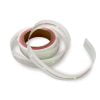
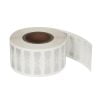
Passive UHF and HF RFID tags are the industry standard for high-volume, cost-sensitive, and maintenance-free applications—including pallet-level logistics, reusable transport item (RTI) tracking, library management, and hospital instrument sterilization workflows. Their reliability in harsh environments is proven across thousands of installations. For example, anti-metal RFID tags from RFIDHY enable consistent reads on metal assets like tools, containers, and machinery—without compromising performance.
Where Active RFID Tags Justify the Investment
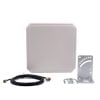
Active RFID systems excel where extended range, real-time location awareness, or sensor integration (e.g., temperature, motion, shock) are mission-critical—such as large outdoor yards, mining sites, or high-value mobile equipment monitoring. However, battery replacement cycles, higher per-unit cost, and regulatory considerations (e.g., frequency licensing) require careful TCO analysis. For enterprises seeking scalable, low-maintenance alternatives, advanced passive solutions—like warehouse-grade RFID tags and readers—often deliver comparable operational visibility at significantly lower lifecycle cost.
Key Decision Criteria at a Glance
| Factor | Passive RFID Tags | Active RFID Tags |
|---|---|---|
| Typical Read Range | 0.3–15 meters (UHF) | 30–100+ meters |
| Power Source | Reader-generated RF field | Onboard battery |
| Lifespan | 10–20+ years (no moving parts) | 3–7 years (battery-dependent) |
| Cost Per Unit | $0.10–$5.00 (bulk) | $25–$150+ |
The RFID Chip Factor: Performance Beyond Power
Tag performance isn’t dictated solely by active vs passive architecture—it’s deeply tied to the underlying RFID chip. High-sensitivity chips (e.g., Impinj Monza, NXP UCODE) dramatically improve passive tag read reliability on challenging surfaces or in dense metal environments. At RFIDHY, our RFID Tag Finder helps enterprise engineers match chip specifications, antenna design, and environmental constraints to ensure optimal deployment outcomes—before procurement begins.
FAQ
Can passive RFID tags work on metal surfaces?
Yes—when engineered with specialized ferrite or anti-metal backing. RFIDHY offers industrial-grade anti-metal RFID tags designed for consistent performance on vehicles, machinery, and steel shelving.
Do all passive RFID tags use the same RFID chip?
No. Chip selection impacts sensitivity, memory size, write endurance, and protocol support (EPC Gen2, ISO 18000-6C). Choose based on application needs—not just price.
Are active RFID tags compatible with standard UHF RFID readers?
Generally no. Active RFID systems often use proprietary protocols and frequencies (e.g., 433 MHz or 2.4 GHz), requiring dedicated infrastructure. Passive UHF RFID tags operate on globally harmonized 860–960 MHz bands and integrate seamlessly with existing readers and middleware.
Ready to Select the Right RFID Tag for Your Enterprise?
Whether you’re evaluating passive UHF RFID tags for warehouse automation or assessing active alternatives for real-time yard management, our engineering team provides free technical consultation and application-specific recommendations. Contact RFIDHY today to discuss your use case—and receive a curated shortlist of certified RFID tags, readers, and integration pathways aligned with your operational scale and compliance requirements.
Leave your contact detail now to get the latest price!