The Growing Imperative for Sustainable RFID
Enterprises across logistics, healthcare, and manufacturing increasingly face regulatory and stakeholder pressure to reduce environmental footprints. Radio-frequency identification (RFID) systems—long valued for operational efficiency—now require ecological accountability. Traditional RFID tags, often composed of PET substrates and aluminum etch antennas, persist in landfills for centuries. In response, forward-looking manufacturers like RFIDHY are pioneering certified biodegradable RFID tags engineered for controlled composting environments while sustaining full UHF performance.
Biodegradable RFID Tags: Material Science Meets Compliance
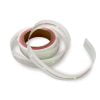
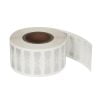
RFIDHY’s latest generation of warehouse-optimized RFID tags utilizes polylactic acid (PLA)-based laminates and silver nanoparticle inks compatible with industrial composting standards (EN 13432). These tags retain >98% read accuracy at 8–10 meters under ISO 18000-63 conditions—matching conventional PET equivalents. Crucially, they decompose within 90 days in commercial composting facilities, leaving no microplastics or heavy-metal residues.
Green Manufacturing Across the Value Chain
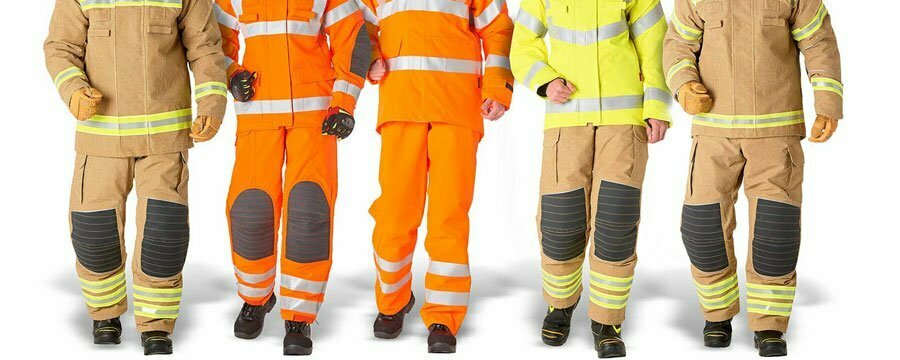
True sustainability extends beyond end-of-life disposal. RFIDHY’s Shenzhen production facility operates under ISO 14001-certified environmental management systems, incorporating solar-powered assembly lines, closed-loop water recycling for inlay printing, and VOC-free adhesives. All laundry RFID tags and reusable transport item (RTI) solutions are designed for ≥500 wash cycles—reducing replacement frequency and total cost of ownership.
Enterprise Integration Considerations
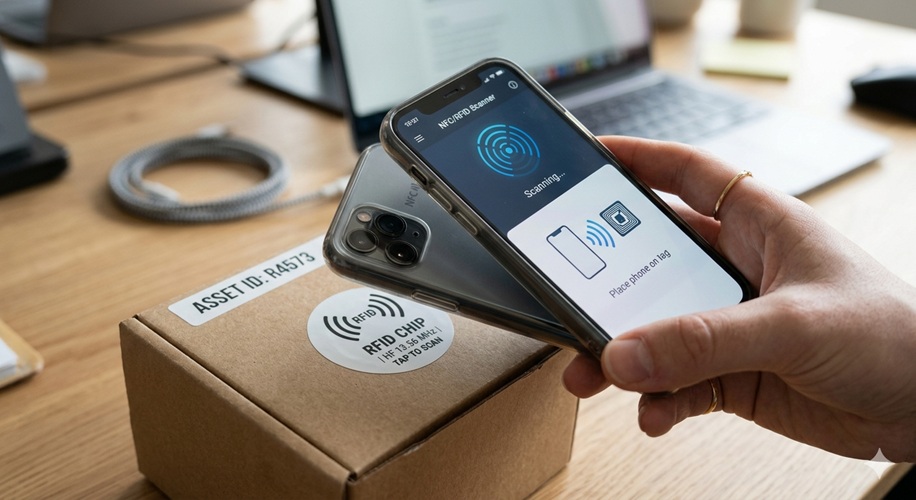
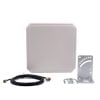
Deploying sustainable RFID requires no infrastructure overhaul. Biodegradable RFID tags operate seamlessly with existing fixed readers like the HY-RU6508 8-port fixed reader and handheld devices across warehouse, yard, and distribution center applications. Interoperability with GS1 EPCglobal standards ensures compatibility with ERP and WMS platforms—including SAP EWM and Manhattan SCALE—without middleware recalibration.
Comparative Lifecycle Impact
| Metric | Conventional PET RFID Tag | RFIDHY Biodegradable Tag |
|---|---|---|
| Carbon Footprint (kg CO₂e/unit) | 0.18 | 0.09 |
| Landfill Persistence | >400 years | ≤90 days (industrial compost) |
| Read Range (UHF, 6mW EIRP) | 9.2 m | 9.0 m |
FAQ
- Are biodegradable RFID tags compatible with existing RFID infrastructure? Yes—RFIDHY’s biodegradable RFID tags comply fully with ISO 18000-63 and EPCglobal Class 1 Gen 2 standards, ensuring seamless integration with all standard UHF readers, including models available at RFIDHY’s access control reader portfolio.
- Do these tags meet international environmental certifications? Each batch undergoes third-party verification per EN 13432 (industrial compostability) and ASTM D6400, with full documentation provided upon request.
- Can biodegradable RFID tags be used in healthcare or food logistics? Absolutely—they are FDA-compliant for indirect food contact and widely deployed in sterile-packaged medical device tracking via RFIDHY’s medical-grade tag portfolio.
Ready to Implement Sustainable RFID?
RFIDHY offers custom-engineered biodegradable RFID tags for warehousing, RTI management, and high-turnover logistics—backed by technical deployment support and lifecycle validation reports. Contact our enterprise solutions team today to request sample kits, environmental compliance documentation, or a tailored ROI assessment for your operations.
Leave your contact detail now to get the latest price!